Bar NYC Recommendations for Cocktail Beginners
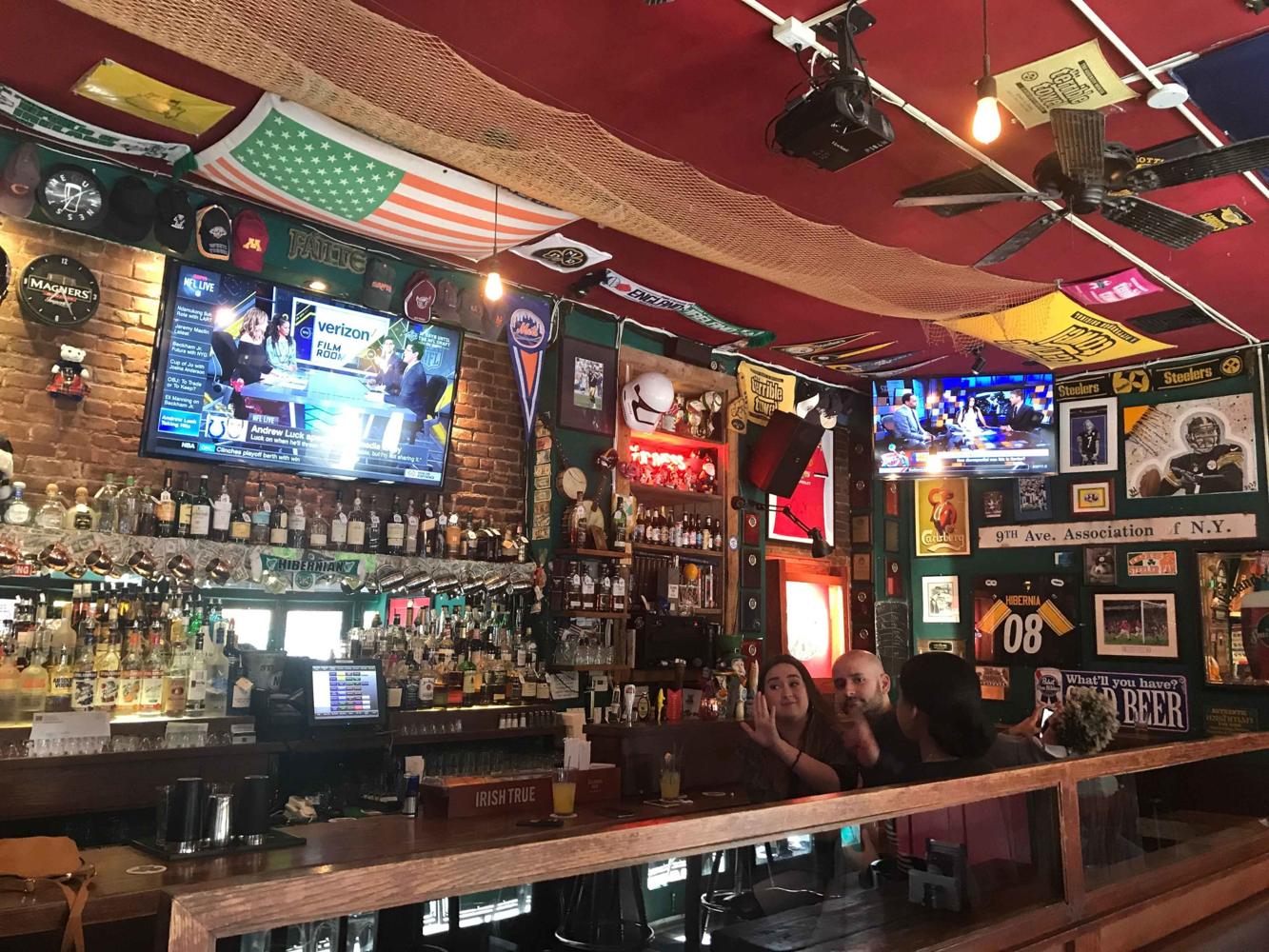
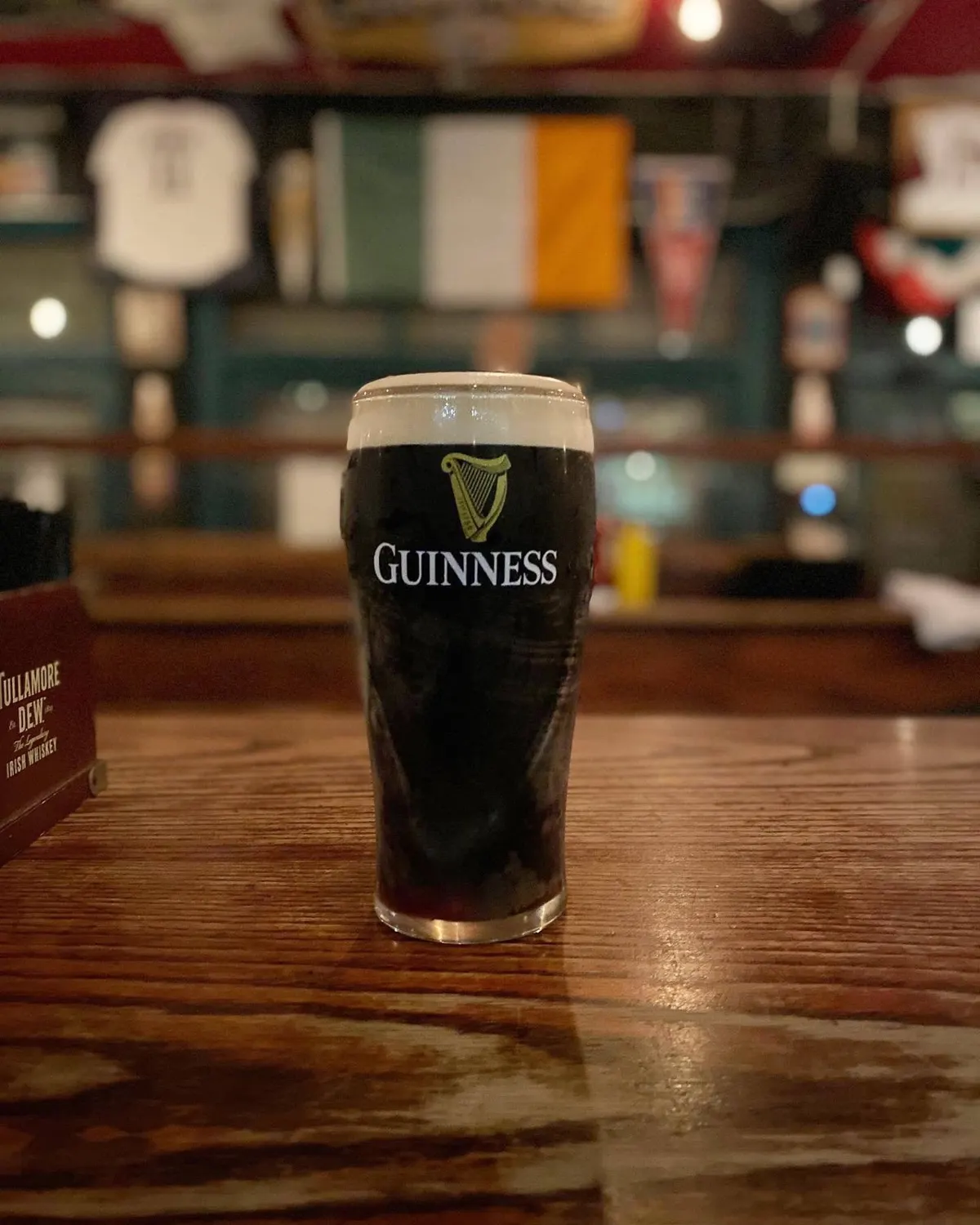
New York can be a thrilling place to learn how to drink cocktails well, but it can also feel a little unforgiving at first. Menus can read like coded language. Bartenders can look busy enough to scare off a simple question. Prices are high enough that ordering the wrong thing feels like a small financial mistake instead of a harmless experiment.
That is exactly why beginners need the right places, not just the famous ones.
A good first cocktail bar in New York does more than serve a balanced drink. It gives you enough guidance to order with confidence, enough atmosphere to make the night feel special, and enough flexibility that you do not need to know the difference between a split base and a stirred build before you sit down. The best beginner-friendly spots make cocktail culture feel welcoming rather than performative.
If you are searching for a Bar NYC experience that eases you into the city’s cocktail scene, a few names consistently stand out. Some are polished and historic, some are lively and modern, and some are ideal because the staff know how to read a guest who is curious but not yet fluent. That distinction matters more than people admit.
What makes a cocktail bar beginner-friendly in New York
For a novice, the perfect bar is rarely the one with the longest awards list. It is the one where the menu is readable, the room is comfortable, and the bartender can guide you without making you feel behind. A beginner-friendly cocktail bar usually has a few traits in common.
First, the menu gives you anchors. You might see familiar classics like martinis, negronis, old fashioneds, sours, and spritzes, or at least original drinks that explain themselves clearly. If a menu says a drink includes gin, grapefruit, elderflower, and sparkling wine, you can picture it. If it lists seven obscure ingredients and no flavor cues, that is harder for a newcomer.
Second, the staff can translate taste into a recommendation. A skilled bartender will ask if you like drinks that are spirit-forward or refreshing, citrusy or bitter, sweet or dry. That conversation is invaluable when you are still figuring out your own preferences.
Third, the room gives you permission to relax. Some bars are brilliant but feel like exams. Others are serious about quality while still letting you settle in, look around, Bar NYC and ask a question. For beginners, that difference is enormous.
Start with the kind of drink you already know you enjoy
People often approach cocktail bars as if there is a correct first order. There is not. If you usually drink sparkling wine, beer, cider, black coffee, cola, lemonade, or neat whiskey, you already have useful information about your palate. Good bars can work from that.
If you like bright, easy drinks, you may enjoy a French 75, a tom collins, a mojito, a paloma, or a daiquiri. If you prefer richer flavors, an old fashioned or a Manhattan might be a good step. If you like bitterness, a negroni, americano, or spritz can make sense. If dessert is your weakness, an espresso martini or a flip might be more your speed than a bone-dry martini.
The point is not to order the most advanced drink in the room. The point is to order a drink that teaches you something. One well-made cocktail can clarify your preferences faster than a dozen random guesses.
Five bars in New York that are especially good for cocktail beginners
- Dante in Greenwich Village is one of the easiest entry points for newcomers because the drinks are polished, the service is practiced, and the menu often includes familiar formats with a high level of execution.
- Bemelmans Bar on the Upper East Side works well for beginners who want classic New York glamour without needing deep cocktail knowledge. You can order a simple classic and feel entirely at home.
- Dear Irving offers a theatrical setting and a broad enough menu that most first-time cocktail drinkers can find a lane, especially if they lean toward lighter or more approachable profiles.
- Temple Bar in NoHo is a strong pick for someone ready to try the more refined side of New York cocktails but who still wants a comfortable, hospitable room.
- Attaboy on the Lower East Side is ideal for the curious beginner who wants to talk through preferences with a bartender instead of decoding a long menu, though timing and confidence matter more here than at the other spots.
Those are not the only places worth your time, but they are reliable starting points because each offers a different kind of welcome.
Dante, a polished first step into serious cocktails
Dante has the rare gift of being famous and still accessible. That is not common. Some high-profile bars become so self-conscious about their reputation that a first-time guest feels like dead weight. Dante usually avoids that trap.
A big reason is the structure of the menu. There are often clear categories, familiar aperitivo-style options, and well-known signatures. Even if you are not a cocktail person yet, you can make sense of what is on offer. If you have ever enjoyed citrus, bubbles, or a bitter orange note, there is usually a path into the menu.
It is also a good place to discover that not all bitter drinks are punishing. Many beginners assume anything in the negroni family will taste medicinal. At Dante, those drinks are usually balanced enough to show why bitterness can be refreshing rather than harsh. If you have only had sugary mixed drinks before, that can be a useful revelation.
The room helps too. There is energy, but not so much chaos that you cannot have a short conversation with the staff. For a first or second serious cocktail outing, that matters. Beginners do better when the bar feels alive but not combative.
Bemelmans Bar, for classic drinks and old-school confidence
If someone asks me where to go when they want a timeless New York bar experience without having to study the menu first, Bemelmans is high on the list. It sits inside the Carlyle Hotel and carries itself with the kind of confidence that comes from long practice. You feel it the moment you walk in.
What makes it good for beginners is not innovation. It is clarity. This is a room for classics. Order a martini, a Manhattan, a sidecar, a gimlet, or an old fashioned, and you are operating in its natural language. If you want to understand the backbone of cocktail culture in New York, this is a strong classroom.
There is another advantage. In rooms with this much history, simple orders do not feel like timid orders. Nobody expects you to ask for a house creation built with six niche amari. A well-ordered classic belongs here. That can be liberating for someone still developing a vocabulary.
A note of realism, though: it is not the cheapest option, and the atmosphere is more elegant than casual. If your idea of a beginner-friendly night means sneakers, loud music, and low stakes, this may not be your place. If you want to dress a little better and experience classic hospitality, it is excellent.
Dear Irving, where the room does some of the work for you
Dear Irving is one of those bars that gets beginners interested because it feels like an occasion. The decor is transportive, almost cinematic, and that can soften the intimidation factor. People often relax faster when the setting feels playful rather than stern.
This is especially useful for guests who want the pleasure of a proper cocktail bar without the pressure of looking knowledgeable. At Dear Irving, you can settle in, order something approachable, and let the room carry part of the evening. There is value in that. Not every first cocktail experience needs to be an educational deep dive.
The drink program is generally broad enough for different comfort levels. If you want something sparkling, herbal, light, or spirit-forward, there is usually a route available. Ask questions. The setting may be glamorous, but the best results usually come from saying what you like in plain English. “I want something fresh and not too sweet” is more useful than pretending you know what you want.
For dates or small group nights, this is a particularly good call. Beginners often do better when the social tone is warm and forgiving, and Dear Irving tends to provide that.
Temple Bar, when you want serious quality without a lecture
Temple Bar has a reputation for style, but what stands out on a good night is the confidence of the room. It feels established. That can either intimidate beginners or reassure them, depending on how they approach it. I think it is best for someone who has already had a couple of cocktails elsewhere and now wants to level up.
The appeal here is that quality is obvious without being aggressively explained. You can order a classic, or ask for guidance, and the service usually meets you Bar NYC hiberniabar.com where you are. There is enough sophistication to make the evening memorable, but not so much conceptual noise that a newcomer feels lost.
For beginners, Temple Bar is a good place to learn an important lesson: elegance in a cocktail does not have to mean complexity on paper. Some of the most memorable drinks are simply very cold, very balanced, and served with confidence. A properly made martini or Manhattan can teach more about craft than an elaborate menu paragraph ever will.
This is also a reminder that your first good cocktail bar does not need to be cheap to be worthwhile. In New York, one carefully chosen drink in the right room can be more satisfying than several careless ones elsewhere.
Attaboy, a guided conversation for the curious beginner
Attaboy is different from the others because there is no traditional menu in the usual sense. That can sound terrible for beginners, but in practice it can be fantastic if you are willing to describe your tastes honestly.
The interaction tends to go something like this: the bartender asks what spirits and flavors you like, whether you want something refreshing or boozy, bright or bitter, and then builds a drink around your answer. For a curious beginner, this can accelerate your learning. You start connecting language to flavor. You realize that “citrusy but not sweet” or “whiskey-based and smooth” is enough information to get somewhere useful.
The trade-off is that this format can feel vulnerable if you freeze under questions. It also helps to go at a quieter time if possible. When the room is slammed, any no-menu concept becomes harder for a newcomer because there is less space for back-and-forth.
Still, if you want a true Bar NYC experience that treats your preferences as the starting point, Attaboy can be one of the best nights in town. Go in with honesty, not bravado.
How to order when you do not know the menu language yet
Most first-timers make one of two mistakes. They either pretend to know more than they do, or they shrink the conversation down to “I don’t know, anything is fine.” Neither helps.
A bartender can do a lot with basic but specific information. Tell them the spirit you usually like, if any. Mention whether you enjoy tart drinks, bitter flavors, sweetness, bubbles, herbs, smoke, coffee notes, or fruit. If you hate licorice or dislike very strong alcohol flavor, say that too. Negative preferences are often as helpful as positive ones.
Here is a short script that works surprisingly well:
- “I usually drink tequila or gin, and I want something fresh, citrusy, and not too sweet.”
- “I like whiskey, but I do not want anything smoky or too heavy.”
- “I mostly drink wine, and I want a cocktail that feels crisp and dry.”
- “I am new to this, but I know I do not like bitter drinks.”
- “I want something classic that is beginner-friendly.”
That kind of clarity saves time and often leads to a better drink than ordering a random signature cocktail because it has an intriguing name.
A few drinks that are easier starting points than others
For beginners, some cocktails are simply more forgiving. A daiquiri, when made properly, is one of the best calibration tools in any bar: rum, lime, sugar, balanced cleanly. It is not a frozen beach drink unless the bar says so. It is bright, direct, and reveals whether you enjoy a tart profile.
A tom collins or French 75 works for people who like length and lift in a drink. A whiskey sour, if made well, is another smart entry because it combines structure with approachability. Margaritas and palomas are familiar enough that many guests already know whether the flavor family suits them.
The drinks that sometimes trip up beginners are martinis, negronis, and very boozy old fashioneds. Not because they are bad choices, but because they are uncompromising. A dry martini is cold, aromatic alcohol with little cushioning. A negroni is proudly bitter. An old fashioned, when done correctly, tastes like whiskey first. If that sounds appealing, great. If not, there is no shame in arriving there later.
The practical side of a first cocktail-bar night in New York
New York rewards a little planning. Some bars take reservations, some rely on walk-ins, and some become dramatically more pleasant if you arrive early. For beginners, timing matters more than people think. If you go right at peak hours on a Friday and the room is packed shoulder to shoulder, even the friendliest bar can feel abrupt.
Early evening is often the sweet spot. Staff have more bandwidth, the noise level is lower, and you can actually hear the explanation of what is in your glass. Weeknights help too.
Budget matters as well. In many respected cocktail bars in Manhattan, one drink can easily run in the high teens to mid-twenties before tax and tip, sometimes more depending on the room. That means your first experience should not be left entirely to chance. It is worth choosing a place known for hospitality rather than simply one that is fashionable at the moment.
Food can also change the equation. A beginner who drinks on an empty stomach may decide they dislike spirit-forward cocktails when the real issue is that the alcohol hit too hard too fast. Eat first, or pick a bar with at least a few snacks.
The best beginner strategy is curiosity, not performance
The most enjoyable cocktail drinkers in New York are not always the most knowledgeable ones. They are usually the people who know how to pay attention. They notice whether a drink feels sharp or rounded, whether bitterness refreshes them or turns them off, whether they prefer citrus brightness or deep stirred richness. That awareness builds quickly if you let it.
There is no prize for ordering the most obscure amaro or the driest martini on your first outing. The goal is not to impress the room. The goal is to leave with a better sense of your taste than you had when you walked in.
That is why the right Bar NYC recommendation for a beginner is not necessarily the most technically celebrated bar in the city. It is the place that helps you connect enjoyment with understanding. Maybe that happens over a spritz at Dante, a classic at Bemelmans, a glamorous round at Dear Irving, a poised drink at Temple Bar, or a guided conversation at Attaboy. Different beginners need different doors into the same world.
Once you find your first good bar, the city opens up fast. Menus become easier to read. Spirits start to make sense. You stop ordering by guesswork and start ordering by preference. That is when New York becomes especially fun, not because the cocktails are more complicated, but because your palate has finally entered the conversation.
Hibernia Bar
401 W 50th St
New York, NY 10019
(212) 969-9703
FAQ About Bar NYC
What is there to do in Hell's Kitchen, NYC?
Explore the restaurants and bars along Ninth Avenue, catch a Broadway show nearby, or visit the Intrepid Museum on the Hudson River. Hibernia Bar is at West 50th Street and Ninth Avenue, a convenient stop before or after a show.
What are some bars in New York City that serve good food?
Hibernia Bar in Hell's Kitchen serves wings, burgers, fish and chips, and shepherd's pie. Its kitchen lists a 2 a.m. closing time, which makes it an option for dinner after a show or a game.
How far is Hell's Kitchen from Times Square?
Hell's Kitchen is just west of Times Square. From Broadway and West 45th Street, Hibernia Bar is roughly 0.6 miles away, or about a 12-minute walk depending on crowds.